
What Is a Picture Hanging Rail?
For decades, displaying artwork, mirrors, and photographs meant committing to a permanent decision. A hammer, a nail, and a measure of hope were the standard tools for interior curation. However, modern interior design demands flexibility, precision, and the preservation of wall surfaces. This is where picture hanging rails offer an elegant, long-term solution.
A picture hanging rail is a specialized architectural track installed either along the top edge of a wall or integrated directly into a ceiling. Once securely mounted, this track serves as the foundation for a dynamic, adjustable display system. By suspending wires or rods from the rail, and attaching adjustable hooks to those wires, users can hang, move, align, and swap artwork without ever drilling another hole in the wall.
These systems are rapidly becoming the standard for residential villas, modern apartments, corporate offices, and professional galleries across the UAE, providing an authoritative answer to the perennial challenge of flexible interior styling.
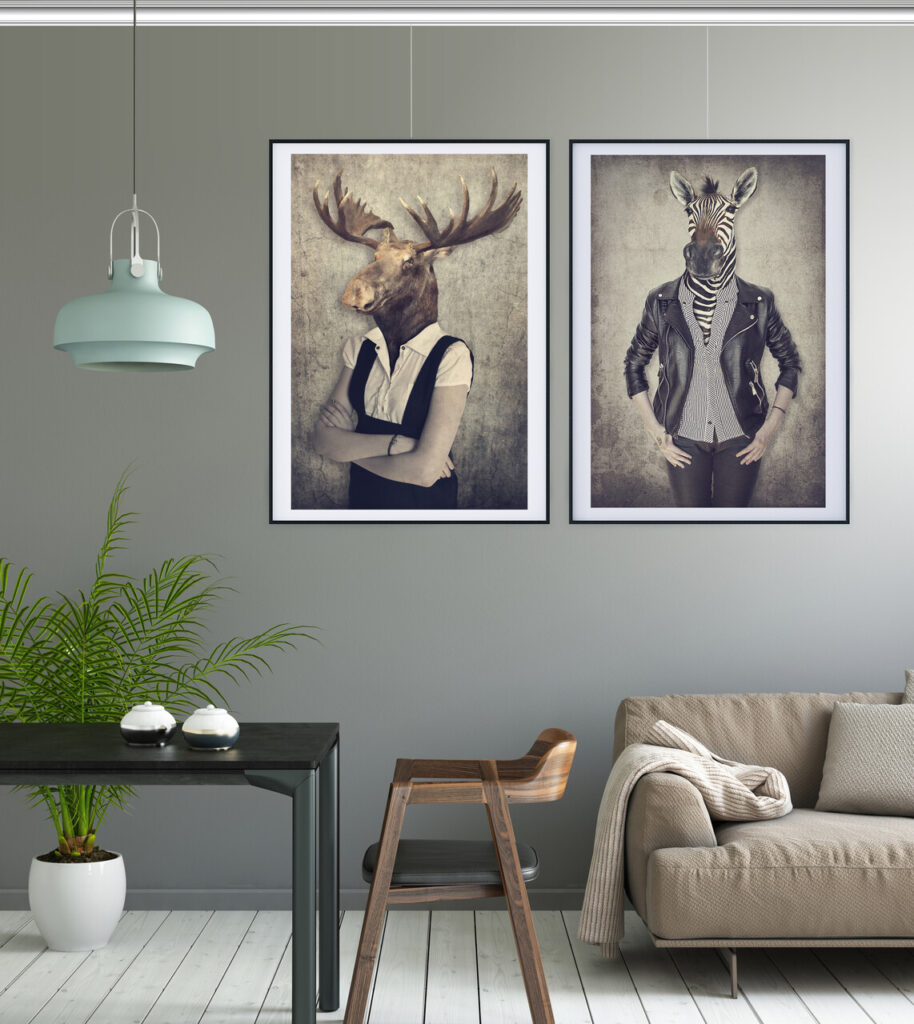
A modern picture hanging rail seamlessly integrating into a contemporary space.
How a Picture Hanging System Operates
To fully appreciate the functionality of artwork hanging systems, it is essential to understand that they operate not as a single product, but as an integrated, three-part system. Each component plays a vital role in ensuring weight is distributed safely and aesthetics remain pristine.
The Hanging Track
The foundational element is an extruded aluminum rail. Once anchored securely to the wall or ceiling, it distributes the weight of the artwork across the length of the track, reducing localized stress on your masonry or drywall.
Suspension Wires & Rods
Hanging wires (usually made of transparent perlon or braided steel) insert into the rail. Modern designs feature specialized gliders that can be twisted and locked into the track at any point, allowing for instant horizontal adjustments.
Picture Hanging Hooks
Hooks slide vertically up and down the suspended wires. Premium systems utilize self-locking mechanisms equipped with internal ball bearings, allowing you to slide the hook up easily, where it grips the wire automatically under the artwork’s weight.
The Core Benefits of Flexible Artwork Displays
Transitioning from traditional nails to a track-based system provides a wealth of advantages for anyone looking to curate their space thoughtfully. The most significant benefit is the dramatic reduction in wall damage. While the initial installation of the rail requires drilling, once the track is in place, the wall behind it remains entirely untouched, regardless of how many times you change your display.
Consider the following practical advantages:
- Precision Alignment: Achieving the perfect gallery wall is notoriously difficult with nails. A rail system allows for micro-adjustments both horizontally and vertically until every frame aligns flawlessly.
- Adaptability for Tenants: In commercial spaces or high-end rentals, protecting the structural integrity of the walls is crucial. A single rail installation prevents the accumulated deterioration caused by years of changing décor.
- Aesthetic Integration: Modern rails are designed with minimalism in mind. Many profiles can be painted to match the wall color, rendering them virtually invisible to the casual observer.
- Time Efficiency: Swapping out an entire exhibition or seasonal display takes minutes rather than days. There is no need for patching plaster, waiting for paint to dry, or cleaning up drywall dust.
Wall-Mounted vs. Ceiling-Mounted Applications
Choosing between a wall-mounted and a ceiling-mounted rail largely depends on the architectural features of the room and the stage of construction or renovation.
Wall-Mounted Systems are the most common choice for retrofitting existing spaces. They are typically installed directly beneath the ceiling line or cornice. Wall-mounted rails are engineered to be discreet, with installation hardware completely hidden behind the aluminum profile. This makes them highly versatile for living rooms, hallways, and office spaces where ceiling access might be restricted by molding or drop ceilings.
Ceiling-Mounted Systems offer an even more integrated appearance. These are often chosen during the construction or deep renovation phase of a project. Shadowline rails, for example, can be built directly into the drywall framework, eliminating the visible track entirely. The wires appear to float directly out of the ceiling seam. Ceiling mounting is exceptionally popular in modern, minimalist UAE villas and high-end retail spaces where clean architectural lines are paramount.
Suitable Applications Across the UAE
The versatility of picture hanging rails makes them suitable for a diverse range of environments. Below is a detailed look at where these systems are most effectively deployed.
Homes and Villas
Residential interiors frequently evolve. A family may wish to update portrait photographs as children grow, or a homeowner might acquire new art pieces that require a fresh layout. In living rooms, dining areas, and staircases, rails provide the freedom to curate a home without the anxiety of making a permanent mistake. They are also exceptionally useful in children’s bedrooms for displaying a rotating gallery of school projects and artwork.
Offices and Commercial Spaces
Corporate environments require a professional aesthetic combined with high functionality. Hanging rails are not just for art; they are widely used to suspend whiteboards, glass notice boards, acoustic panels, and corporate milestones. When a company rebrands or an office space is reconfigured, the rail system accommodates the new layout immediately, eliminating maintenance downtime.
Galleries and Museums
For professional art spaces, gallery hanging rails are non-negotiable. Exhibitions change frequently, and the artwork often represents significant weight and value. Heavy-duty rails combined with robust steel cables and locking security hooks ensure that heavy canvases and framed photography are displayed perfectly level and securely anchored against accidental bumps or theft.
Hotels and Hospitality
Hotels prioritize consistency, guest safety, and maintenance reduction. Picture rails used in corridors and guest rooms allow facility managers to standardize artwork heights across hundreds of rooms easily. Furthermore, utilizing security hooks ensures that art cannot be easily knocked off the wall by luggage carts or enthusiastic guests, protecting both the artwork and the facility’s liability.
Factors to Consider When Choosing a Rail
Not all picture hanging systems are created equal. To ensure longevity and safety, you must match the system to your specific requirements. Weight capacity is paramount; overloading a light-duty rail can result in system failure. You must also consider the material of your walls—anchoring into solid concrete requires different hardware than mounting onto hollow drywall. Finally, consider the desired appearance. Do you want a bold, industrial brushed aluminum look, or a discreet, paintable white profile?
A Simple Setup Overview
One of the primary reasons these systems are favored by interior designers is the straightforward setup process. While professional installation is recommended for large commercial projects or heavy-duty requirements, a basic residential installation is highly logical.
The process generally begins by marking a level line across the wall. Specialized mounting clips are then fastened to the wall at regular intervals using screws and wall plugs appropriate for the surface material. Once the clips are secure, the aluminum track simply snaps into place over them, concealing the hardware entirely.
With the rail installed, customization begins. Users take their perlon or steel hanging wires and insert the specially designed top glider into the track. Some gliders slide in from the end of the rail, while more advanced designs can be twisted into the track at any location. Finally, the picture hanging hooks are threaded onto the bottom of the wires. By sliding the hooks up and down, and moving the wires left and right, you can position your artwork with millimeter precision before finally stepping back to admire the result.
When to Choose a Heavier-Duty System
While standard systems are perfect for typical residential artwork and family portraits, certain applications require specialized, heavy-duty engineering. If you are hanging oversized acrylic prints, massive antique mirrors, or densely framed gallery pieces, standard perlon wires will not suffice.
Heavier-duty systems feature thicker aluminum extrusions designed to bear substantial weight without bowing. These rails are often paired with steel rods rather than flexible wires, minimizing sway and providing maximum stability. Furthermore, heavy-duty picture hooks are equipped with stronger internal gripping mechanisms, ensuring that even under immense, continuous load, the artwork remains securely locked in place. When in doubt, it is always safer to over-engineer your hanging solution to protect both your valuable art and the individuals using the space beneath it.
Ready to Transform Your Walls?
Whether you are designing a modern villa, outfitting a corporate office, or curating a professional gallery, our comprehensive range of Picture Hanging Systems offers the perfect blend of strength and aesthetics. Browse our extensive Picture Hanging Rails & Tracks page, select the ideal Picture Hanging Wires and Picture Hanging Hooks, or explore our specialized Gallery Hanging Rails for heavy-duty applications.